
Caring for orphans in Islam means treating a child with kindness, protecting their rights and helping meet their everyday needs. The Qur’an calls believers to improve an orphan’s circumstances and warns against mistreatment. The Prophet ﷺ described the person who looks after an orphan as being close to him in Paradise. Together, these teachings give us a way to think about care that lasts beyond a single moment of generosity.
Why are orphans given such care in Islam?
In Surah Ad-Duhaa (93:6), the Qur’an reminds the Prophet ﷺ that he was once an orphan and was given shelter. A few verses later, Surah Ad-Duhaa (93:9) gives a direct instruction not to oppress the orphan. The words are brief, but they ask us to notice how a child is treated, whether anyone listens to them, and whether the people responsible for their care act fairly.
An orphaned child may need food, a place to sleep and the chance to learn. They also need to be spoken to with respect. Help loses some of its meaning if the child is made to feel like a burden, or if their story is told publicly without care. The teaching in Ad-Duhaa puts the child’s dignity beside their material needs.
Surah Al-Ma’un (107:1-3) condemns the person who pushes an orphan away and fails to encourage feeding people in need. The verses show how care is expressed in both conduct and generosity.
What does the Qur’an say about an orphan’s rights?
When the Prophet ﷺ was asked about orphans, Surah Al-Baqarah (2:220) gave an answer centred on their welfare. In Dr Mustafa Khattab’s translation:
“Improving their condition is best.”
Surah Al-Baqarah (2:220)
That is a useful test for any offer of help. Does it serve the child, and does it respect the people who care for them? A regular meal, support for a guardian or help with schooling can all matter, depending on the child’s circumstances. Care begins with understanding what is needed, then acting in a way that helps.
The Qur’an is also specific about what belongs to an orphan. Surah An-Nisa (4:2) instructs guardians not to take advantage of an orphan’s property and to return it when appropriate. This is a principle of protection and fairness. Generosity towards a child cannot excuse unfairness with their own possessions.
What did the Prophet ﷺ say about caring for an orphan?
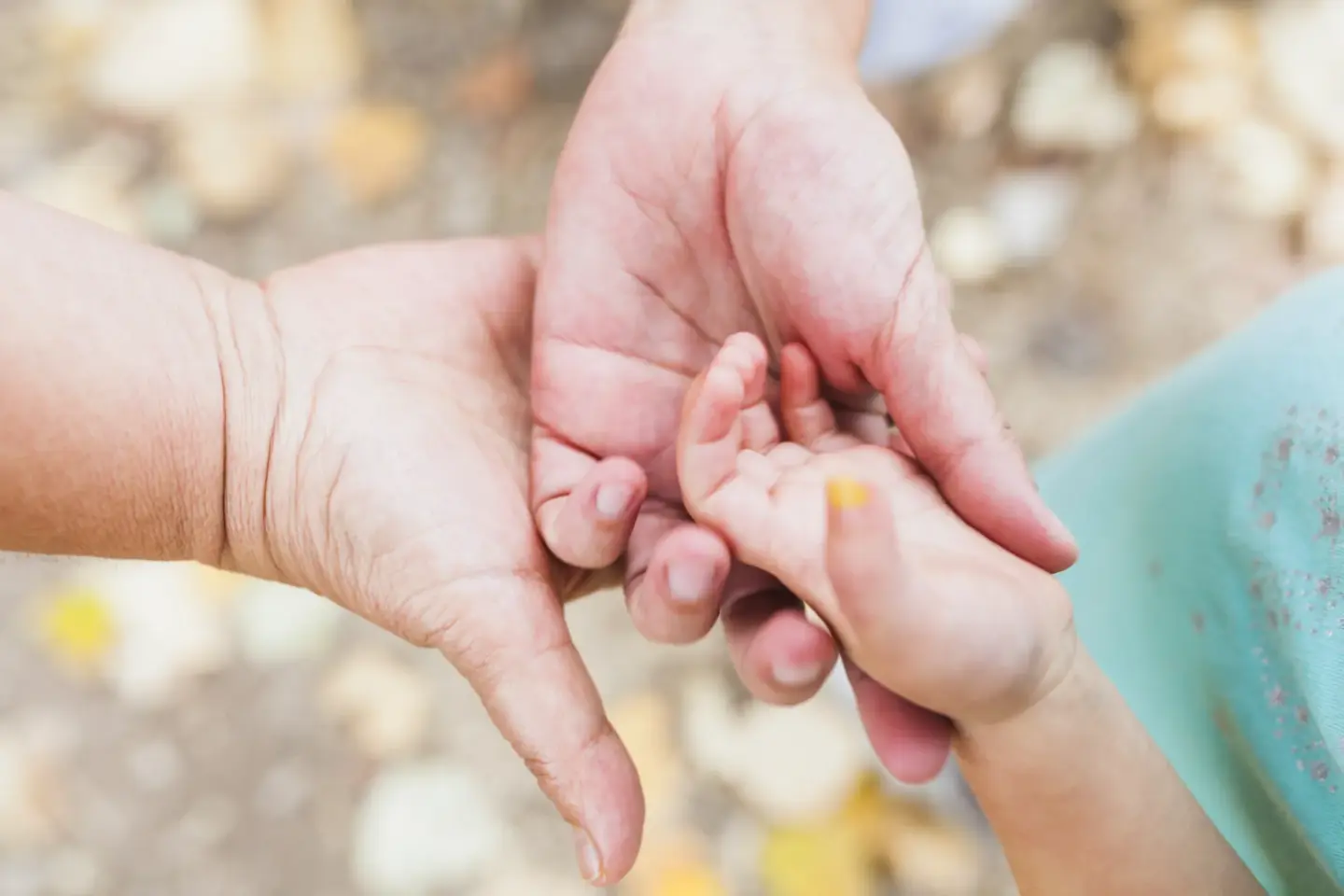
In Sahih al-Bukhari 6005, the Prophet ﷺ said that he and a person who looks after and provides for an orphan would be in Paradise close together. He brought his index and middle fingers together to show that closeness.
The hadith speaks about looking after a child. Those words point to ongoing care: food, safety, attention and the dependability of someone who keeps showing up. The child at the centre of the teaching is a person with their own needs and relationships.
For someone able to give financial help, that may mean making it dependable. For someone caring for a child at home, it may mean providing patient attention alongside food, clothes and education. The form of help differs; the concern for the child’s welfare should remain.
What can good care look like in everyday life?
It is easier to think about care through the questions a child or guardian might actually face.
- Is there reliable support? A meal today matters. So does knowing where the next one will come from. Regular help can make ordinary routines easier for a household to manage.
- Is the child treated with respect? Listen before assuming what they need. Speak about them in a way you would be comfortable with them hearing.
- Are their rights protected? If you have responsibility for a child’s money or possessions, keep their interests first and get proper advice where needed.
- Does the help fit the family? A child may be living with a parent, relative or another guardian. Support can strengthen the care already around them.
The same thoughtfulness applies to the stories and photographs used to raise funds. A respectful appeal can explain what help is needed while keeping a child’s difficult moments private. That puts dignity into the decision to give.

How can you help through As-Salaam Foundation?
At As-Salaam Foundation, you can support children in different ways. Our Orphan Sponsorship project explains how child sponsorship works and the support we set out to provide. Read that page if you want the programme details before choosing to sponsor.
Our Monthly Orphan Feed appeal concerns a different form of help: meals for orphans and other vulnerable children in deprived areas of Uganda. It is a feeding programme, rather than an arrangement that matches a donor with a child. If food is where you want to help, our article on feeding the hungry in the Qur’an offers more background.
You can also help closer to home by finding out what a child and their guardian need, then offering something you can sustain. A useful first step may be a conversation, a lift, a meal or help with school supplies. The point is to make the child’s life better while respecting their voice and the people already caring for them.