
Introduction
The suffering of our brothers and sisters in Gaza has reached a critical point. For decades, they have endured adversities. Today, their cries echo through destroyed lands and the silence of an indifferent world. As members of the Muslim Ummah, we must ask ourselves: What does Islam teach us in the face of such suffering? How should we respond to the oppression of our brethren? This blog seeks to remind us of our Islamic responsibilities using the timeless guidance of the Qur’an and Hadith.
A Shared Pain: One Body, One Ummah
The Prophet Muhammad (peace be upon him) described the Muslim Ummah in powerful terms:
“The believers, in their mutual love, mercy, and compassion, are like one body. If one part of the body feels pain, the whole body suffers in sleeplessness and fever.”
(Sahih al-Bukhari and Muslim)
This Hadith is not metaphorical poetry; it is a divine truth. When a child is killed in Gaza, we must feel the pain as though our own child has died. When a mother wails over the death of her son, we must grieve with her. The unity of the Ummah is spiritual, emotional, and moral. In an era where borders, languages, and ideologies divide us, this Hadith calls us to a higher loyalty: the bond of faith.
The Qur’an emphasises this unity as well:
“Indeed, this Ummah of yours is one Ummah, and I am your Lord, so worship Me.”
(Surah Al-Anbiya 21:92)
The suffering in Gaza is not an isolated incident. It is part of a broader pattern of global injustice and disunity within the Muslim Ummah. Their suffering is our collective failure.
Oppression and the Cry of the Oppressed
The Qur’an repeatedly warns against injustice and assures the oppressed that their cries are heard by Allah:
“And do not incline towards those who do wrong, lest you be touched by the Fire…”
(Surah Hud 11:113)
As Muslims, we must stand firmly against all forms of injustice. The Prophet (peace be upon him) further emphasises this:
“Beware of the supplication of the oppressed, for there is no barrier between it and Allah.”
(Sahih al-Bukhari)
The people of Gaza are making du’a day and night. Their prayers pierce the heavens, and one day, divine justice will descend.
Our Responsibility as an Ummah
The challenges in Gaza demand a multi-faceted response. Each one of us has a role to play, and together we can become a force for real change.
1. Du’a – The Weapon of the Believer
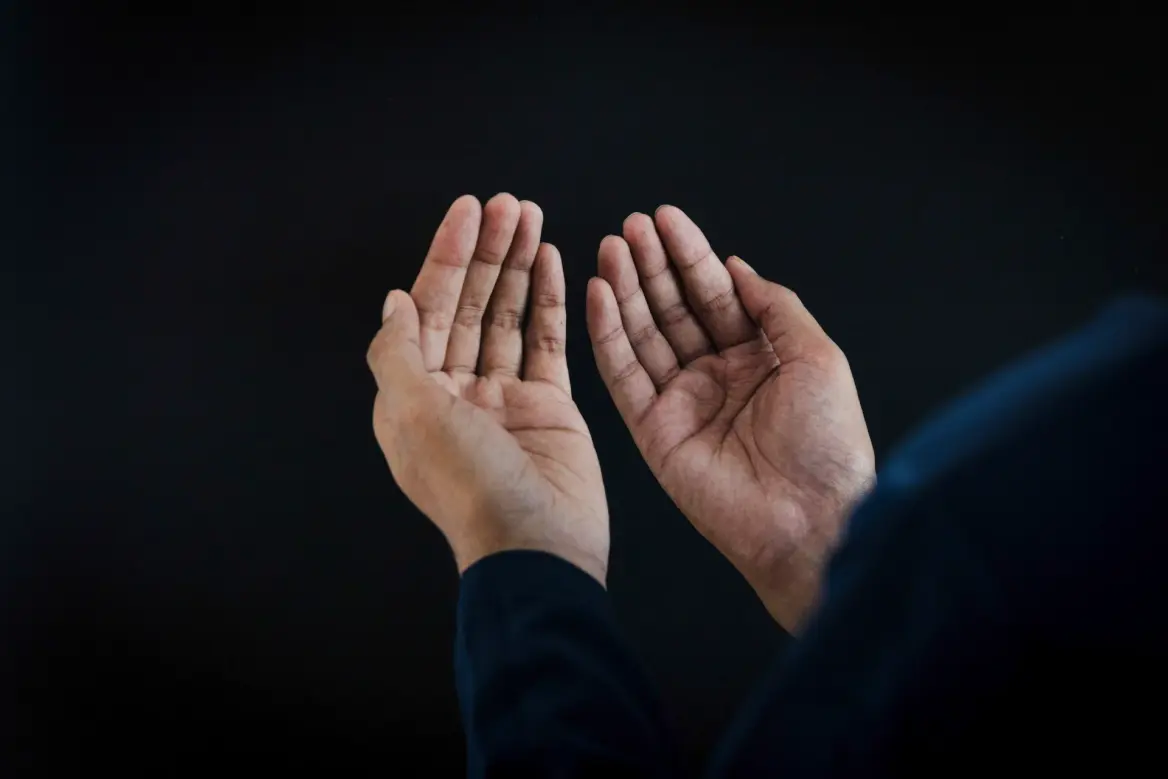
Du’a is not a passive act; it is an active form of worship. The Prophet (peace be upon him) called it the essence of worship (Sunan al-Tirmidhi). In moments where political action seems out of reach and borders prevent physical assistance, du’a is our direct line to the Creator of the universe.
Make du’a for Gaza during the last third of the night, in sujood, and after every obligatory prayer. Teach your children to pray for Palestine. Include specific requests: for protection, for victory, for healing, and for unity. Pray for the oppressed and the oppressors—that Allah guides or breaks them.
And remember:
“When My servants ask you concerning Me, indeed I am near. I respond to the invocation of the supplicant when he calls upon Me.”
(Surah Al-Baqarah 2:186)
2. Financial Support
While we may be physically distant from Gaza, our financial contributions can reach those in need. Allah praises those who give:
“The example of those who spend their wealth in the way of Allah is like a seed which grows seven spikes; in each spike is a hundred grains. Allah multiplies for whom He wills.”
(Surah Al-Baqarah 2:261)
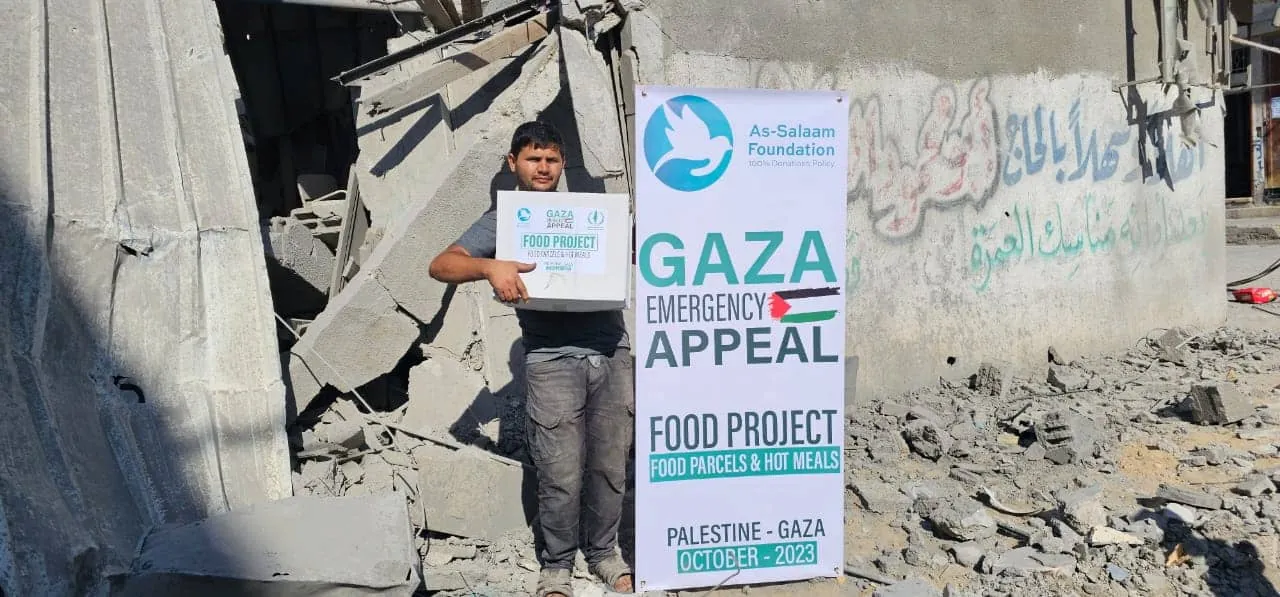
Even a few pounds can buy a meal, medicine, or shelter. Imagine a mother receiving a food package or a child receiving emergency medical aid because of your donation. The reward for that act is with Allah.
Ensure you donate to trustworthy, transparent organisations with on-the-ground access like As-Salaam Foundation. Encourage your mosque and community to organise fundraisers. Make regular donations part of your monthly budget, just as you would any other essential expense.
Read more about our appeal here: Gaza Crisis Appeal [Appeal] | As-Salaam Humanitarian Foundation
3. Raising Awareness
In a world flooded with misinformation, telling the truth becomes a noble act of resistance. Use your voice. Share verified news stories, images, and statistics. Host webinars, talks, and community events.
Change begins with awareness.
4. Strengthen the Ummah Through Unity
The disunity of the Muslim world has allowed oppression to flourish. Political divisions, sectarianism, and nationalism have weakened our collective voice.
The Qur’an reminds us:
“And hold firmly to the rope of Allah all together and do not become divided…”
(Surah Aal-Imran 3:103)
Unity does not mean uniformity. It means prioritising our shared beliefs and values over our differences. It means working together on issues like Gaza, where justice transcends theological nuance.
Encourage collaboration between mosques, organisations, and scholars. Participate in interfaith and intra-faith initiatives that promote peace and justice. The strength of the Ummah lies in its unity, not its numbers.
At the same time, this commitment to unity and solidarity must not come at the cost of isolating ourselves from the wider society we live in. As Muslims in the West and beyond, we can and must integrate as proactive, compassionate citizens, contributing positively while remaining firm in our principles. True unity involves both strengthening our internal bonds and building bridges of justice, understanding, and shared humanity with those around us.
A Final Reflection
What is happening in Gaza is not just a humanitarian crisis; it is a spiritual test for the entire Ummah. Will we respond with action, or will we scroll past the suffering? Will we unite for justice, or will we remain divided and distracted?
Allah has given us the tools: du’a, charity, knowledge, and unity. The question is whether we will use them.
“Indeed, Allah will not change the condition of a people until they change what is in themselves.”
(Surah Ar-Ra’d 13:11)
Let this be a turning point. Let our tears become fuel for action. Let our voices become shields for the oppressed. And let our unity become a force that breaks the chains of injustice.