
Every year, in the days following Hajj, Muslims around the world come together for one of the most beloved acts of worship in our faith: Qurbani. It is a moment that connects us directly to the legacy of Prophet Ibrahim (peace be upon him), to the suffering of those who go without, and to the mercy of Allah (SWT) — all in a single act of sacrifice.
But for many of us, Qurbani also brings questions. What does it actually involve? Is it obligatory on me? When exactly does it begin in 2026? How is the meat shared, and what should I recite?
This guide breaks down everything you need to know about Qurbani, drawn from the Quran and the Sunnah of the Prophet Muhammad (peace be upon him), so that you can perform this beautiful act of worship with confidence – and so that the families relying on your Qurbani receive every blessing of it.
Give your Qurbani 2026 with As-Salaam Foundation
What is Qurbani?
Qurbani (also known in Arabic as Udhiyah) is the ritual sacrifice of a permitted animal, usually a sheep, goat, cow, or camel, performed by Muslims during the days of Eid al-Adha. The word Qurbani comes from the Arabic root qurb, meaning “to draw near,” and that is exactly its purpose: to draw the believer closer to Allah (SWT) through an act of devotion and sacrifice.
The meat of the animal is then distributed: a portion for one’s own family, a portion for relatives and friends, and a portion for the poor and needy. For families in countries where meat is a rare luxury, your Qurbani is often the only time in the year they will eat fresh meat together.
Why Do Muslims Perform Qurbani?
Qurbani commemorates one of the most powerful moments in the entire history of prophethood — the willingness of Prophet Ibrahim (peace be upon him) to sacrifice his beloved son Ismail (peace be upon him) in submission to Allah’s command.
The Quran preserves their conversation in Surah As-Saffat:
فَلَمَّا بَلَغَ مَعَهُ السَّعْىَ قَالَ يَـٰبُنَىَّ إِنِّىٓ أَرَىٰ فِى ٱلْمَنَامِ أَنِّىٓ أَذْبَحُكَ فَٱنظُرْ مَاذَا تَرَىٰ ۚ قَالَ يَـٰٓأَبَتِ ٱفْعَلْ مَا تُؤْمَرُ ۖ سَتَجِدُنِىٓ إِن شَآءَ
ٱللَّهُ مِنَ ٱلصَّـٰبِرِينَAnd when he (Abraham) reached with him [the age of] exertion, he said, ‘O my son, indeed I have seen in a dream that I [must] sacrifice you, so see what you think.’ He said, ‘O my father, do as you are commanded. You will find me, if Allah wills, of the steadfast.’
Surah As-Saffat (37:102)
When Ibrahim (peace be upon him) showed his readiness to obey, Allah (SWT) replaced Ismail (peace be upon him) with a magnificent ram from Paradise. From that moment forward, this act of sacrifice became a Sunnah for the believers. A yearly reminder that true faith means putting Allah above everything we love most.
Allah (SWT) also reminds us in Surah Al-Hajj that the sacrifice itself is not what matters — it is the intention behind it:
لَن يَنَالَ ٱللَّهَ لُحُومُهَا وَلَا دِمَآؤُهَا وَلَـٰكِن يَنَالُهُ ٱلتَّقْوَىٰ مِنكُمْ
Surah Al-Hajj (22:37)
Their meat will not reach Allah, nor will their blood, but what reaches Him is piety from you.
This is why Qurbani is far more than a tradition. It is an act of taqwa. A renewal of the same submission Ibrahim (peace be upon him) showed thousands of years ago.
When is Qurbani 2026?
Qurbani is performed during the days of Eid al-Adha, which fall on the 10th, 11th, and 12th of Dhul Hijjah in the Islamic calendar.
In 2026, Eid al-Adha is expected to fall on Wednesday, 27 May 2026, with the days of Qurbani running through to Friday, 29 May 2026 (subject to the sighting of the moon).
The earliest moment Qurbani can be performed is after the Eid prayer on the morning of the 10th of Dhul Hijjah, and the latest is before sunset on the 12th. Performing the sacrifice on the first day (known as Yawm an-Nahr, “the Day of Sacrifice”) is considered the most virtuous.
Who is Required to Give Qurbani?
According to the majority of scholars, Qurbani is wajib (obligatory) on every Muslim who meets the following conditions:
- They are a Muslim, of sound mind, and have reached the age of puberty
- They are not travelling during the days of Eid (they are settled / resident)
- They possess wealth above the Nisab threshold (the same threshold used for Zakat) – that is, after their essential needs and debts, they have wealth equivalent to roughly 87.48g of gold or 612.36g of silver.
Check out our Zakat Calculator for more information
For those who hold the view that Qurbani is Sunnah Mu’akkadah (a strongly emphasised Sunnah) rather than wajib, it is still considered one of the most rewarding acts during these days, and the Prophet Muhammad (peace be upon him) never abandoned it during his lifetime.
In short: if you can give, you should give.
How Many Qurbani Shares Do You Need?
The number of shares depends on the animal:
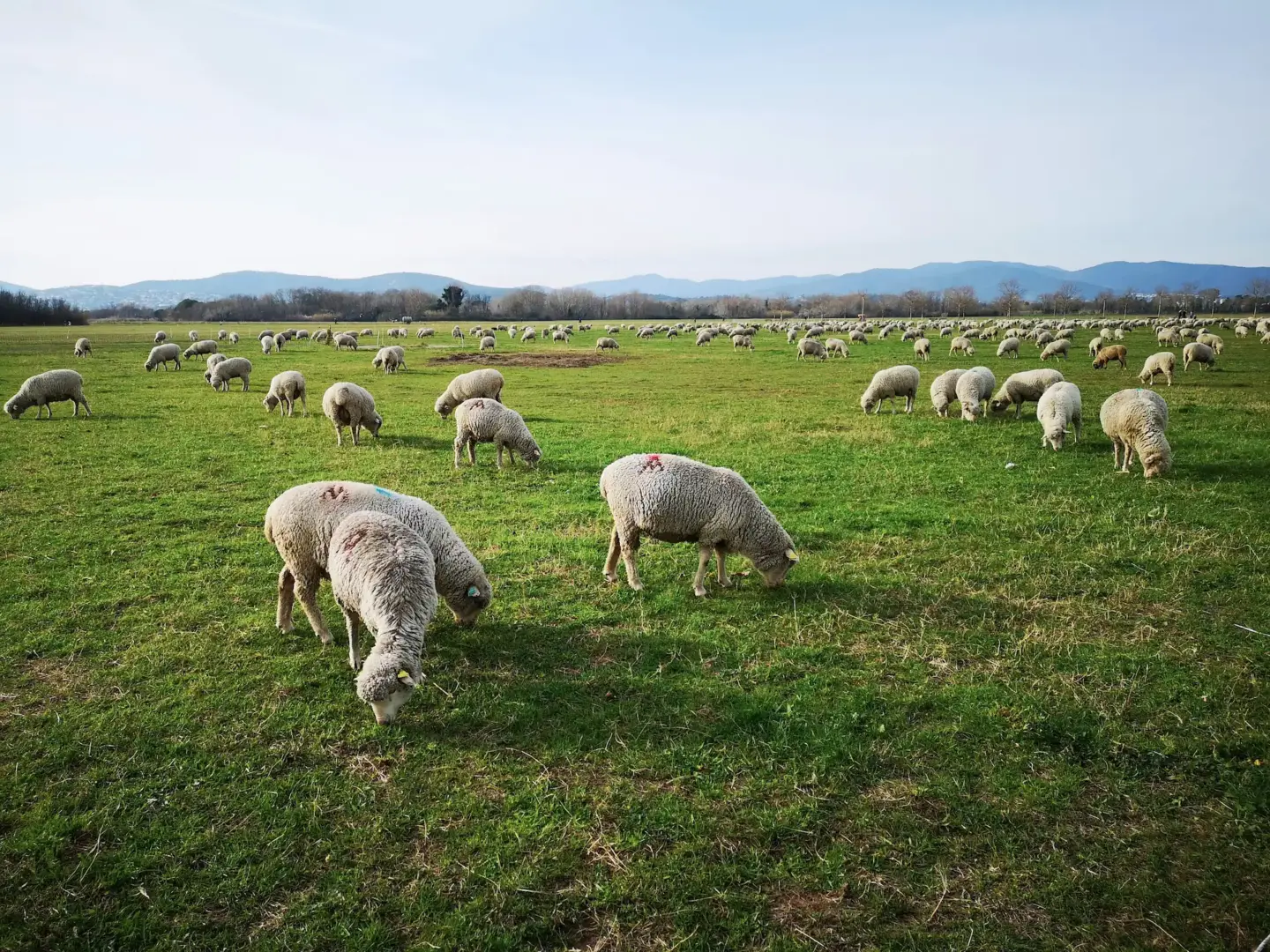
- One small animal (sheep or goat) = 1 share, sufficient for one person
- One large animal (cow, buffalo, or camel) = 7 shares, which can be split between up to seven people
So, for example:
- A single adult Muslim needs to give one sheep or goat, or one share of a cow.
- A husband and wife who both meet the Nisab need to give two separate Qurbanis.
- A family of seven adults could collectively share one cow.
Many families also choose to give Qurbani on behalf of loved ones who have passed away, a beautiful ongoing sadaqah that reaches them in their grave.
Which Animals Are Eligible for Qurbani?
The Sunnah specifies that the sacrificial animal must come from livestock and meet a minimum age:
| Animal | Minimum age |
|---|---|
| Sheep | 6 months (if healthy and well-developed; otherwise 1 year) |
| Goat | 1 year |
| Cow / Buffalo | 2 years |
| Camel | 5 years |
The animal must also be free from major defects. Scholars derive these conditions from the Hadith of the Prophet (peace be upon him):
Four are not permissible as sacrifices: a one-eyed animal whose defect is obvious, a sick animal whose sickness is obvious, a lame animal whose lameness is obvious, and an emaciated animal that has no marrow in its bones.
Sunan Abu Dawud, Hadith 2802
This is why As-Salaam Foundation works directly with trusted local farmers in each country, hand-selecting healthy, well-fed animals that meet every requirement of the Sunnah.
How is Qurbani Meat Distributed?
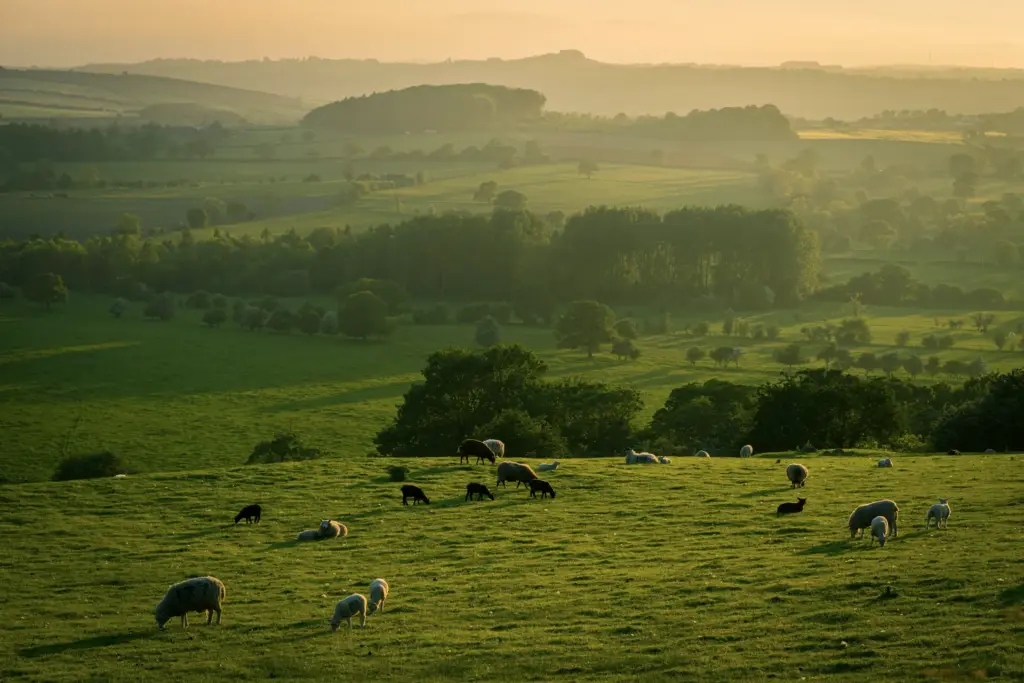
The Sunnah teaches us to divide the meat of Qurbani into three equal portions:
- One-third for your own family – to enjoy with your loved ones on the days of Eid
- One-third for relatives, neighbours, and friends – including those who may not be in financial need
- One-third for the poor and needy – those who would otherwise go without
This is based on the practice of the Prophet Muhammad (peace be upon him) and his Companions. While these proportions are not strictly obligatory, they reflect the spirit of Qurbani: shared joy, shared blessing, shared meals.
When you donate your Qurbani through a charity, the entire animal is typically distributed to those most in need – refugees, orphans, widowed mothers, and families in conflict zones who may not have eaten meat for months.
The Dua to Recite During Qurbani
When the sacrifice is performed, the Sunnah is to recite the name of Allah (SWT) and to make a specific supplication. This is what the Prophet Muhammad (peace be upon him) said over his own sacrifice:
“بِسْمِ ٱللَّٰهِ، وَٱللَّٰهُ أَكْبَرُ، ٱللَّٰهُمَّ هَٰذَا مِنْكَ وَلَكَ، ٱللَّٰهُمَّ تَقَبَّلْ مِنِّي”
Transliteration: Bismillāhi, wa-Allāhu Akbar. Allāhumma hādhā minka wa laka. Allāhumma taqabbal minnī.
“In the name of Allah, and Allah is the Greatest. O Allah, this is from You and for You. O Allah, accept it from me.”
Reported in Sunan Abu Dawud, Hadith 2795
If the Qurbani is being performed on behalf of someone else, the final words “minnī” (“from me”) are replaced with their name, for example, “taqabbal min Muḥammad” (“accept it from Muhammad”).
When you give your Qurbani through As-Salaam Foundation, our team recites this dua on your behalf at the moment of sacrifice, so the spiritual reward returns directly to you and the loved ones you have included in your intention.
Can You Give Your Qurbani Abroad?
Yes – and for many Muslims living in the UK, donating Qurbani overseas is one of the most impactful ways to fulfil this act of worship.
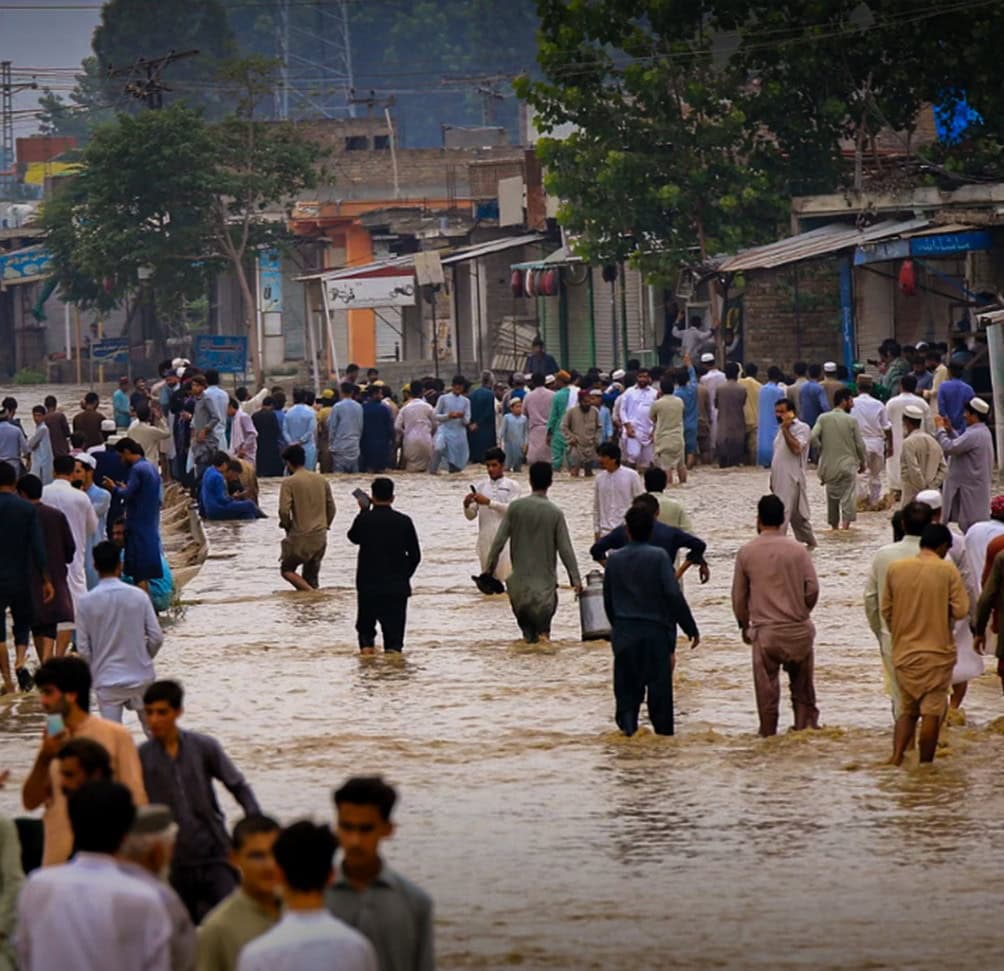
In countries like Uganda, Bangladesh, Sri Lanka, Yemen, Pakistan, and the refugee communities of Jordan, families often go an entire year without tasting meat. Children grow up malnourished. Widows and orphans rely on the kindness of strangers. For them, Qurbani is not just a religious occasion – it is the one time of the year they sit together over a real, hot meal.
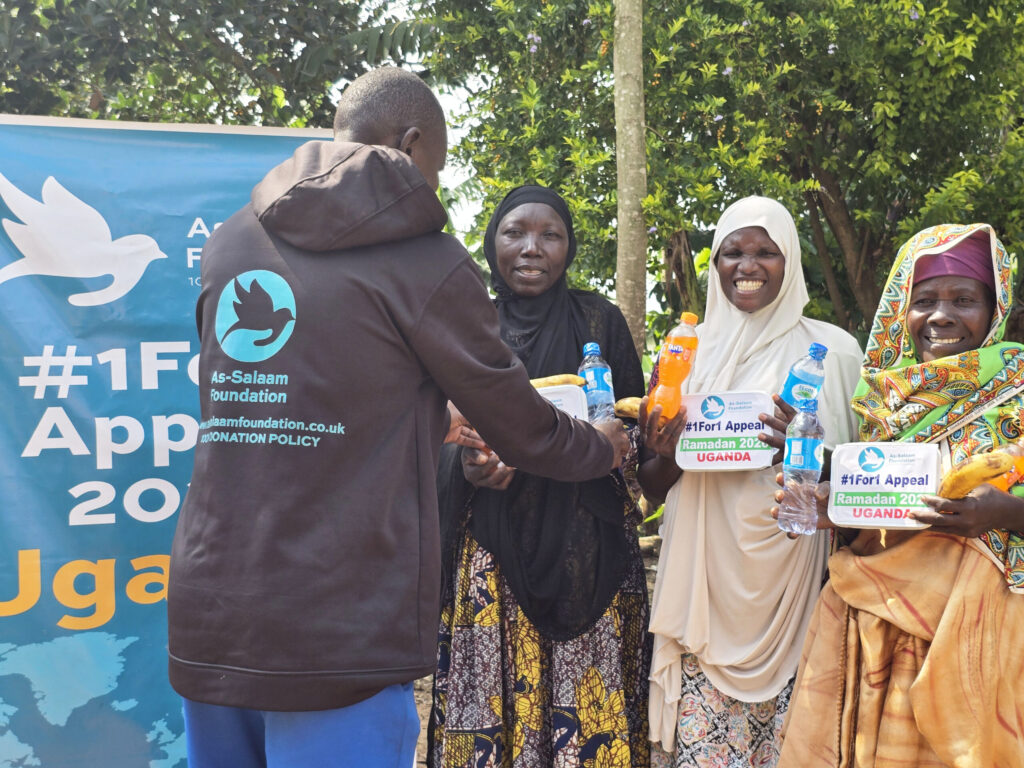
At As-Salaam Foundation, we work in eight countries to deliver fresh Qurbani meat to those who need it most, with a strict 100% Donations Policy, meaning every penny you give goes directly to the cause.
Qurbani 2026 prices
| Country | Small animal (sheep/goat) | Large animal (cow) | 1 share of large |
|---|---|---|---|
| India | £88 | £120 | £18 |
| Uganda | £50 | £200 | £29 |
| Nepal | £75 | — | — |
| Bangladesh (Rohingya refugees) | £80 | £560 | £80 |
| Sri Lanka | £110 | £400 | £57 |
| Pakistan | £120 | £500 | £72 |
| Yemen | £105 | £1,000 | £143 |
| Jordan (Palestinian & Syrian refugees) | £248 | £1,685 | £241 |
Qurbani vs Aqiqah — What’s the Difference?
These two acts of worship are often confused, but they are distinct:
- Qurbani is performed annually, by every eligible Muslim, during the days of Eid al-Adha, in remembrance of Prophet Ibrahim (peace be upon him).
- Aqiqah is a one-time sacrifice performed on the seventh day after a child is born, as a thanksgiving to Allah (SWT) for the new life.
For Aqiqah, the Sunnah is to sacrifice two sheep for a boy and one sheep for a girl. Like Qurbani, the meat is distributed to family, friends, and the needy.
Both acts are beautiful Sunnahs of our beloved Prophet (peace be upon him), and both can be performed through As-Salaam Foundation.
The Spiritual Reward of Qurbani
The reward for Qurbani is immense. The Prophet Muhammad (peace be upon him) said:
There is nothing dearer to Allah during the days of sacrifice than the sacrificing of animals. The sacrificed animal shall come on the Day of Judgement with its horns, hair, and hooves [to be weighed]. The sacrifice is accepted by Allah before the blood reaches the ground. Therefore, sacrifice with an open and happy heart.
Sunan Ibn Majah, Hadith 3126
This is also one of the most powerful acts you can perform during the first ten days of Dhul Hijjah, the days about which the Prophet (peace be upon him) said:
There are no days in which righteous deeds are more beloved to Allah than these ten days.
Sahih al-Bukhari, Hadith 969
For more on how to make the most of these blessed days, read our guide to the Day of Arafah.
Frequently Asked Questions
Is Qurbani wajib or Sunnah?
The majority of Hanafi scholars consider Qurbani wajib (obligatory) on every Muslim who meets the Nisab threshold, while many Maliki, Shafi’i, and Hanbali scholars consider it a Sunnah Mu’akkadah (strongly emphasised Sunnah). Either way, it is one of the most beloved acts of worship in these days.
How much does a Qurbani cost in 2026?
With As-Salaam Foundation, Qurbani prices for 2026 start from £50 for a small animal in Uganda, with shares of large animals available from £18. Prices vary by country based on local livestock costs. See full pricing →
Can I give Qurbani on behalf of someone who has passed away?
Yes. Many Muslims give Qurbani in the name of deceased parents, grandparents, or loved ones. It is considered an ongoing sadaqah whose reward continues to reach them. You can also read our guide to the duas to make for those who have passed away.
Can women give Qurbani?
Absolutely. Every adult Muslim, male or female, who meets the Nisab is eligible to give Qurbani in their own name.
When does Qurbani start in 2026?
Qurbani begins after the Eid al-Adha prayer on the morning of the 10th of Dhul Hijjah, expected to fall on Wednesday, 27 May 2026 (subject to moon sighting), and continues until sunset on the 12th of Dhul Hijjah.
Can I do Qurbani at home in the UK?
While it is technically permissible, slaughtering an animal at home in the UK requires it to be done at a licensed abattoir under strict regulations. For the vast majority of British Muslims, donating Qurbani through a trusted charity like As-Salaam Foundation is far simpler, and reaches families who genuinely need the meat.
Give Your Qurbani 2026 – Share the Blessing
Eid al-Adha is just days away. Across the world, families are waiting to gather around a meal that, for many of them, will be the only fresh meat they eat all year.
This Qurbani, you can be the reason an orphan in Yemen breaks bread with their grandmother. You can be the reason a refugee family in Jordan tastes joy this Eid. You can be the reason a widow in Uganda doesn’t go to bed hungry.
Your sacrifice draws you closer to Allah (SWT). Theirs is the smile that follows.
Give Your Qurbani 2026 → Donate Today
100% Donations Policy. Performed in accordance with the Sunnah. Distributed to the most vulnerable.